
Almost everyone who flies into Olbia asks the same thing: should I stay here for a few days, or just pick up the car and head straight to the Costa Smeralda? Having worked in this area for years, our answer is always the same: what to see in Olbia goes well beyond what most tourists expect. The old town has real character, the food is genuinely good, and some of the best beaches in northeast Sardinia are less than fifteen minutes away by car.
Basing yourself in Olbia — or renting a villa between the city and Pittulongu — means having everything within reach: supermarkets, restaurants, pharmacies and the sea. No 40-minute drive every time you run out of sunscreen. In this guide we cover what to visit, where to swim and what to do after dark.
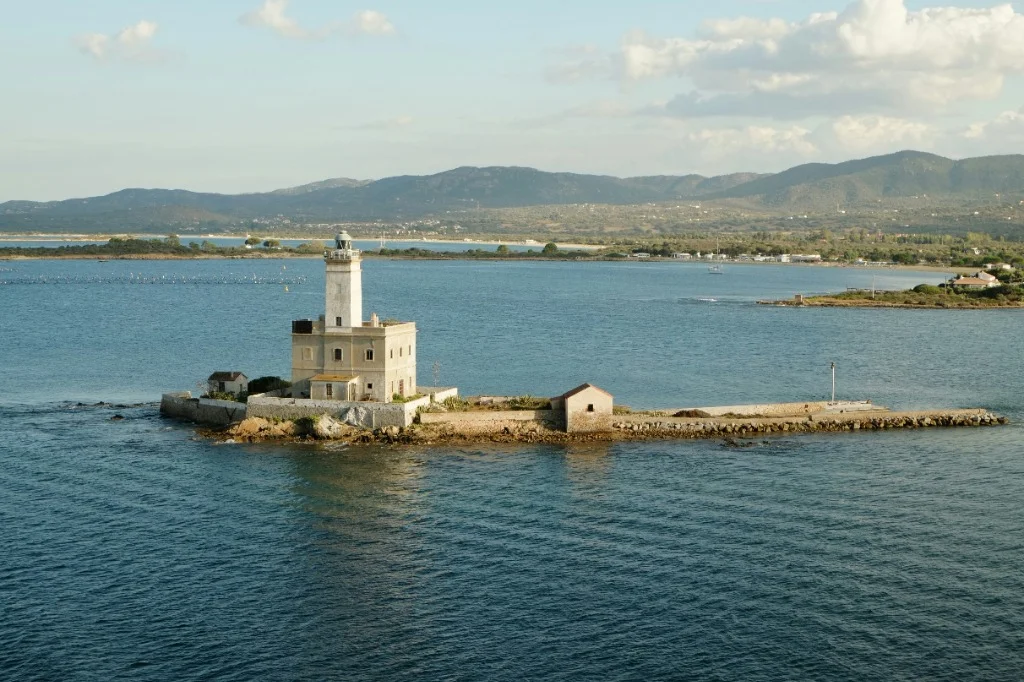
Olbia is more than an airport: why make it your base
The city has changed significantly in recent years. The seafront has been completely redeveloped, the historic centre is in much better shape, and plenty of new bars and restaurants have opened. But the real advantage is still the location: 20 minutes to Porto Cervo, 15 to Porto Istana, an hour to La Maddalena. If you want to explore a different beach every day rather than sticking to one spot all week, Olbia is the most practical base you’ll find.
There’s also a practical side that often gets overlooked: Olbia has the full range of services of a real town — hospitals, hardware stores, car rental offices, supermarkets — things that are scarce or overpriced in the villages along the Costa Smeralda. Guests staying in nearby areas like Pittulongu, Bados or Murta Maria have everything within five minutes, without paying Costa Smeralda prices.
What to see in Olbia old town
It’s not a museum city, but there’s more than enough to fill a half-day, particularly in the late afternoon when the heat drops and the locals come out.
Corso Umberto I
The spine of the city centre — a pedestrian street running from the main square down to the old harbour. Shops, bars, a few boutiques. In summer, café tables spill out onto the pavement and the street fills up in the evenings. This is the best spot for aperitivo, for an after-dinner walk, or simply for watching local life go by.
Basilica of San Simplicio
The most important church in Olbia and one of the finest Romanesque monuments in northern Sardinia. Built in local grey granite between the 11th and 12th centuries, its architectural simplicity makes it more interesting than many of the Baroque churches that get more attention. Two minutes from the centre, worth a brief stop even if churches aren’t usually your thing. Every May the church hosts the Sagra di San Simplicio, one of the most deeply rooted traditional festivals in Gallura.
Olbia Archaeological Museum
On the Brin pier, inside a modern building constructed over the water in the shape of a ship. Free entry. Inside: Roman and medieval shipwrecks recovered from the floor of Olbia harbour, with anchors, amphorae and well-preserved artefacts. This isn’t a dry, dusty museum — the story of how those ships sank here and were discovered two thousand years later is told in an engaging way.
The Punic Walls
Walking along Via Torino in the heart of the Olbia old town, you’ll come across the remains of the Punic walls that once marked the boundary of ancient Olbìa — the name given by the Greeks who settled here in the 3rd century BC. Only a few sections survive, but they’re clearly visible and give a real sense of how old this city actually is.
Piazza Regina Margherita and the old harbour
The main square is where Olbia’s daily life plays out. Bars, an ice cream shop, a few restaurants with outdoor tables. From the old harbour you can watch the ferries coming in and out of the gulf, and on clear evenings the ridge of the Montalbo hills is visible on the horizon.
Beaches near Olbia: where to go
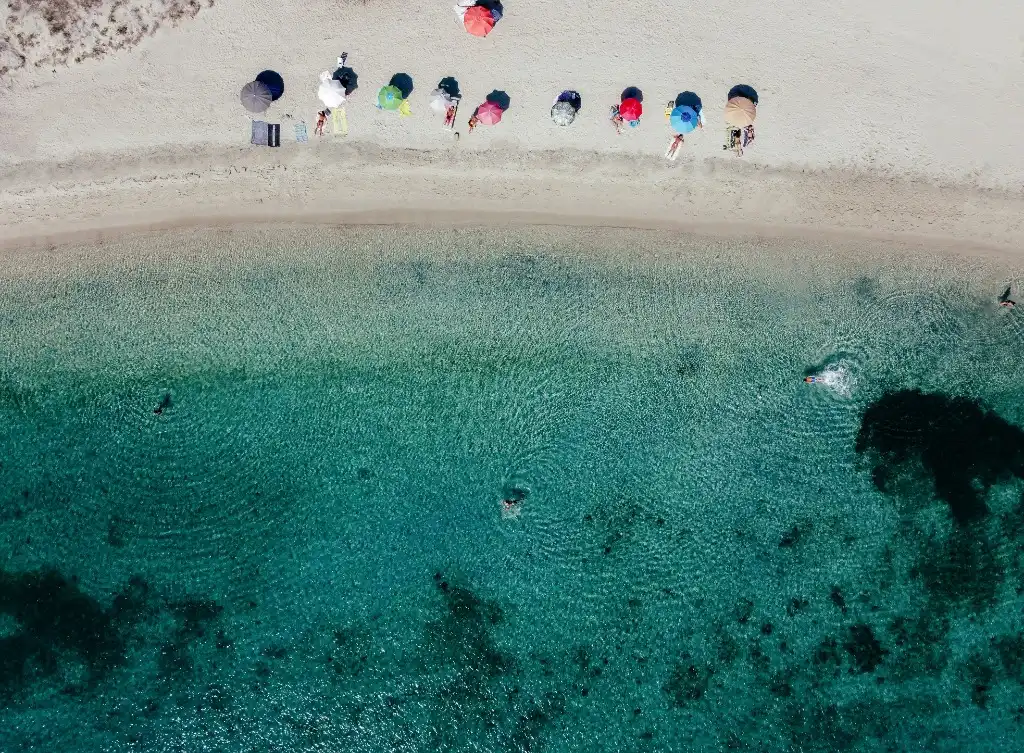
This is where things get really interesting. The beaches near Olbia are among the best in northern Sardinia, and the surprising thing is that you don’t need to drive for hours to reach them.
1. Pittulongu Beach (La Playa)
The local beach — the one Olbia residents go to after work and at weekends. Pittulongu beach stretches for several hundred metres with clear sand and shallow water. It has several beach clubs, sun lounger hire and a few decent seafood restaurants right on the waterfront. Well-equipped, easy to reach (there are even summer bus services from the city centre), and great for families. About 8 km from the centre.
2. Bados
Just north of Pittulongu, still within the municipality of Olbia. Less crowded, more sheltered, with very clear water and the typical Mediterranean scrub landscape all around. Sandy seabeds, ideal for swimming in peace. Bados is the right choice when you want tranquillity without straying too far from town.
3. Porto Istana
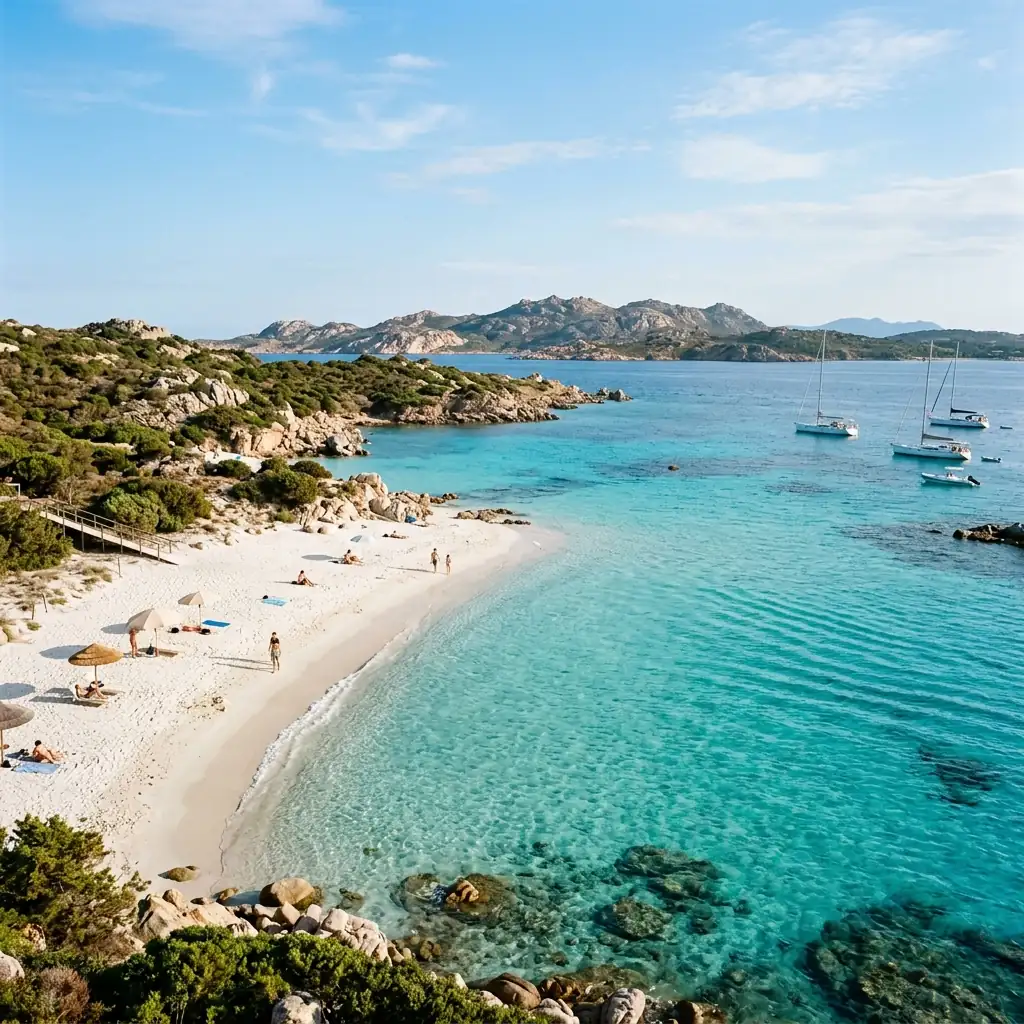
15 minutes south of Olbia, just beyond the boundary with the municipality of Loiri Porto San Paolo. Porto Istana is probably the most photographed beach in the area: the water shifts from turquoise to emerald green depending on the depth, and in the background the island of Tavolara rises 565 metres out of the sea in a wall of white limestone. It’s a view you don’t forget. The seabed slopes gently, making it great for snorkelling and for children. In summer it gets busy, but it’s always worth it.
4. Cala Brandinchi — one of the best beaches in Olbia’s surroundings
Technically in the municipality of San Teodoro, but a very short drive from the south of Olbia — Murta Maria, Porto San Paolo. Among the best beaches in Olbia and its surroundings, Cala Brandinchi is arguably the most spectacular. Locals call it “Little Tahiti” for the extremely white sand and the water that ranges from pale turquoise to deep blue. The only downside is that in peak season it fills up — arrive early in the morning or in the late afternoon to avoid the crowds.
What to do in Olbia at night
The common question is: what to do in Olbia at night? The answer depends on what you’re looking for. If you want nightclubs and upscale bars, the Costa Smeralda is twenty minutes away. If you’re after a relaxed evening that’s still genuinely enjoyable, Olbia has everything you need.
The classic aperitivo is a glass of Vermentino di Gallura DOCG — produced in the hills just outside the city — with a board of local cheeses (young pecorino, semi-aged, mature sardo) and Sardinian cured meats like salsiccia sarda. The bars around Piazza Regina Margherita and along the Corso are all reliable for this evening ritual.
For dinner, Olbia has a wide range to offer: fresh fish restaurants where the menu changes according to what’s caught that day — crab, lobster, octopus, sea bream; quality pizzerias; and a few trattorias serving traditional Gallurese dishes like suppa cuata (a layered bread and cheese soup, baked in the oven) or roast suckling pig. Prices are considerably more reasonable than on the Costa, with the same quality of ingredients.
Suggested itinerary: Olbia in 1 or 2 days
If you only have one day, spend the morning in the old town: Corso Umberto I, the Basilica of San Simplicio, the Archaeological Museum and a walk towards the old harbour. After lunch, choose an easy beach such as Pittulongu or Bados, so you do not lose half the day moving around. In the evening, stay in the centre for aperitivo and dinner: it is the simplest way to feel the rhythm of the city without rushing.
With two days, Olbia works as a real base. Use the first day for the old town and Pittulongu; on the second, head south towards Porto Istana and, if you have booked when required, Cala Brandinchi. In peak season, check parking conditions and any regulated beach access before leaving, especially for the most popular beaches.
Beaches near Olbia: quick choice
Pittulongu is the easiest choice if you are leaving from central Olbia: good for families, lunch by the sea and days that do not require much planning. Bados suits travellers looking for a quieter beach while staying close to town. Porto Istana is ideal if you want a scenic beach with Tavolara in the background and shallow water. Cala Brandinchi needs more planning: in summer, access may require advance booking through the official San Teodoro beaches website.
Practical information
Olbia is easy to reach by air — direct flights from most Italian cities and many European ones — or by ferry from Genoa, Civitavecchia, Livorno and Piombino. Both the port and the airport are a few kilometres from the centre.
A car remains the most convenient way to get around, especially if you want to change beach every day. Local buses do serve some coastal areas, but timetables and frequency vary by season: before planning a beach day without a car, always check the latest ASPO schedule. Book car rental online a few weeks in advance, especially for July and August.
Stay in Olbia with Klodge
If you’re looking for a quality villa or apartment in the Olbia area — Pittulongu, Bados or the surrounding bays — Klodge manages a hand-picked selection of properties for guests who want to enjoy Sardinia without compromising on comfort. Our local team knows the area well and can advise on where to go, what to avoid and how to make the most of your time here.
Browse our villas in and around Olbia or message us on WhatsApp and we’ll help you find the right place for your trip.